

.
US Based Legal Representation Services
Al Otro Lado's U.S.-Based Legal Representation provides comprehensive support for immigrants, representing them in court proceedings on both detained and non-detained dockets, as well as in affirmative cases before United States Citizenship and Immigration Services (USCIS). Our affirmative services include:
Humanitarian and Family-Based Immigration Services
Affirmative asylum applications
U Visas
T Visas
VAWA petitions
Special Immigrant Juvenile Status (SIJS)
Adjustment of status applications
Family-based petitions
DACA renewals
Naturalization applications
Defensive Immigration Court Work, we handle:
Representation before the Executive Office for Immigration Review (EOIR), the Board of Immigration Appeals (BIA), and Ninth Circuit
Defensive asylum applications
Cancellation of Removal cases
Applications to adjust status
Habeas lawsuits before the Federal District Courts
Special Immigrant Juvenile Status (SIJS)
Bond Hearings and Custody Redeterminations
Al Otro Lado provides clients receiving direct representation with essential humanitarian support, including:
Short-term housing
Food and clothing
Hygiene supplies
Medical support
Testing and quarantine services
Personal Protective Equipment (PPE)
Cell phones and service plans
Transportation assistance
Litigation Program
Al Otro Lado is an organizational plaintiff in several class action challenges to policies meant to restrict access to the US asylum system, including: Al Otro Lado v. Wolf, a class-action lawsuit challenging CBP’s unlawful practice of denying asylum seekers access to the U.S. asylum system; East Bay v. Trump and East Bay v. Barr, challenging the asylum bans applied to refugees traveling through third countries to reach the US and those who cross the US border between ports of entry; Innovation Law Lab v. Wolf, challenging the “Remain in Mexico” program, and E.A.R.R. v. DHS, a class action filed on behalf of disabled and medically vulnerable migrants forced to wait in Mexico for US asylum hearings. Al Otro Lado is also an organizational plaintiff in Fraihat v. ICE, which challenges ICE’s failure to provide adequate accommodations and medical care to disabled and medically vulnerable immigrants detained in ICE facilities.
Al Otro Lado also serves as counsel in Padre v. MVM, the damages class action seeking restitution for all families separated during the first Trump administration.
Al Otro Lados' FOIA litigation project focuses on uncovering wrongful deaths in detention immigration and forcing the revelation of secret DHS policies. Its FOIA litigation partners include various immigration nonprofits, private law firms, and universities around the country.
In addition, Al Otro Lado has represented dozens of detained immigrants in habeas petitions throughout Southern California and in the Southeast US. Al Otro Lado has also filed dozens of civil rights / civil liberties complaints in individual cases before the Office of Inspector General, and in collaboration with advocacy partners. It works with the Southeast Dignity Not Detention Coalition to preserve policies limiting local law enforcement cooperation with ICE in Cacho v. Gusman. It has also obtained compensation for victims of immigration detention abuse in cases such as Fuanya v. United States and Missick v. Corecivic.
.
Family Reunification Program
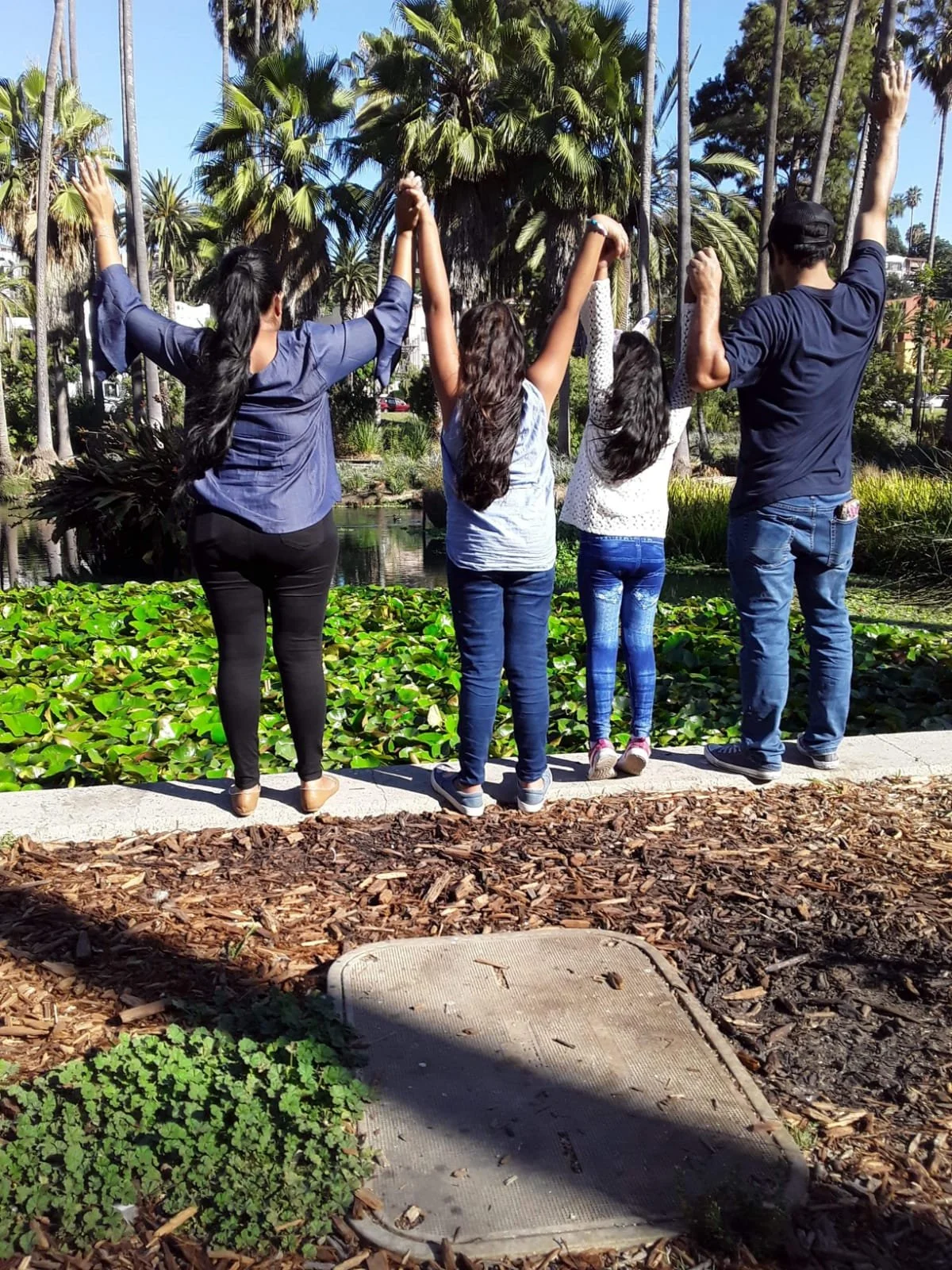
Al Otro Lado is the primary nonprofit organization representing parents who were separated from their children before and during “Zero Tolerance” and deported without them. Al Otro Lado staff and volunteers have traveled extensively throughout Central America and Mexico to meet with separated parents and work to reunify them with their children. Al Otro Lado has reunified over 35 deported parents with their children in the United States, and is currently working to reunify dozens more. Al Otro Lado works closely with the Ms. L v. ICE Steering Committee and the ACLU to advocate for the rights of deported parents and their children.
Al Otro Lado monitors continued family separations at the US-Mexico border and engages media, researchers, elected officials, litigators, and other advocates to bring continued family separations to the public eye and advocate for policy changes that would end separation at the border.
E-mail: familiasunidas@alotrolado.org
Phone Number: +1 (619)-356-3274
Border Rights Project
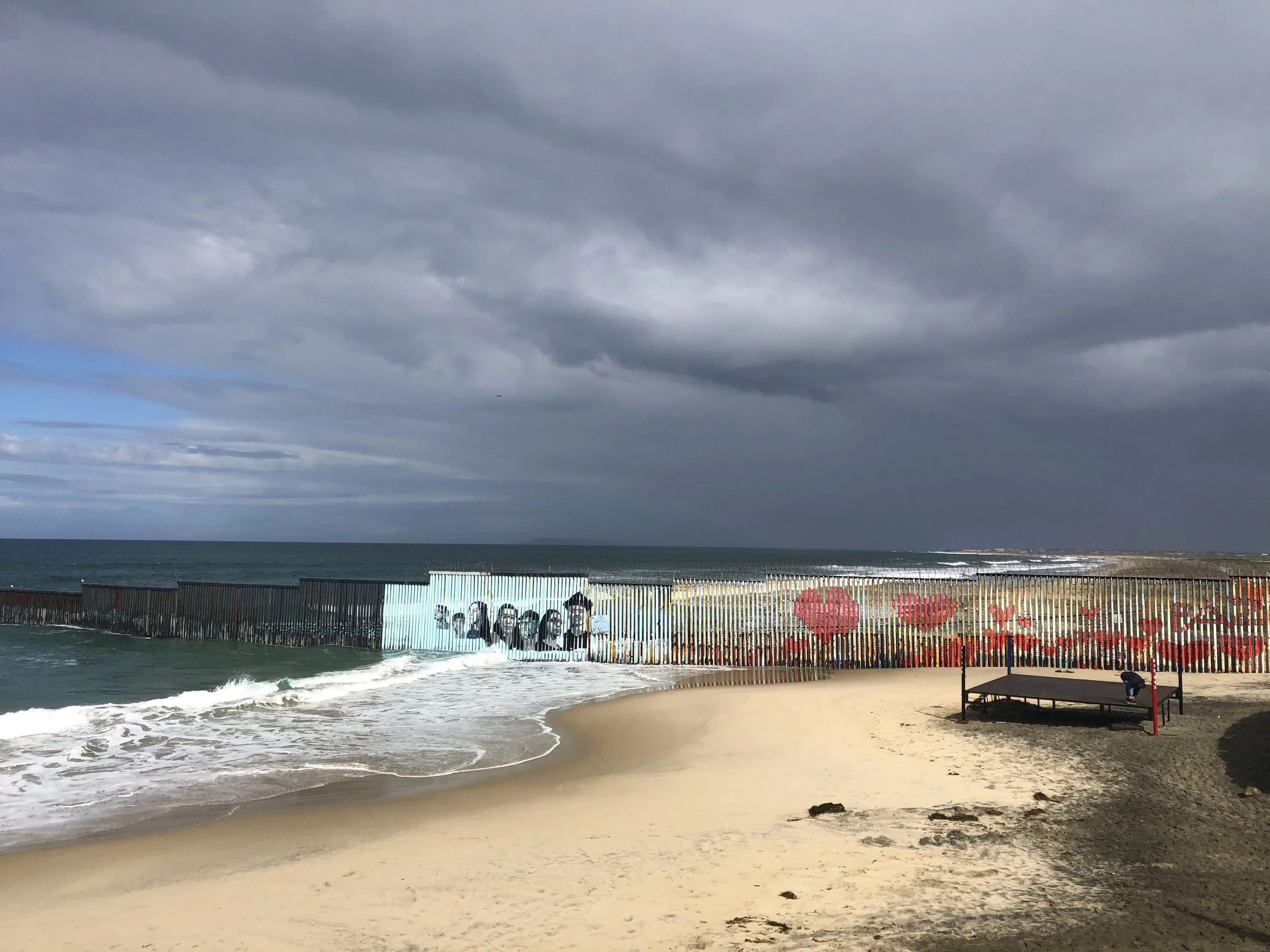
Al Otro Lado’s Border Rights Project provides legal orientation to refugees at the US-México border and beyond, regarding the process to seek asylum in the United States. The project empowers refugees with information about how US asylum policies and border enforcement practices may impact their right to seek international protection, including port-of-entry turn-backs, asylum bans, family separation, and prolonged incarceration may impact their right to seek international protection. We believe that refugees are brave and resilient, but in order to fully assess the risks of seeking asylum in the US, they must have all the information needed to assess that risk.
The project also conducts human rights monitoring at US ports of entry in Baja California and provides legal accompaniment to asylum seekers who are particularly vulnerable and whose rights have been violated by US or Mexican authorities. Evidence that the project gathers through its monitoring and accompaniment efforts is used to advance Al Otro Lado’s impact litigation and to advocate for the human rights of refugees before the Inter-American Commission of Human Rights and UN human rights authorities.
In response to Trump’s most recent border closure, the project has expanded legal orientation and accompaniment to include individuals and families seeking refugee protection in México, in order to help them find legal protection and stability in México.
.
Binational Deportee Program
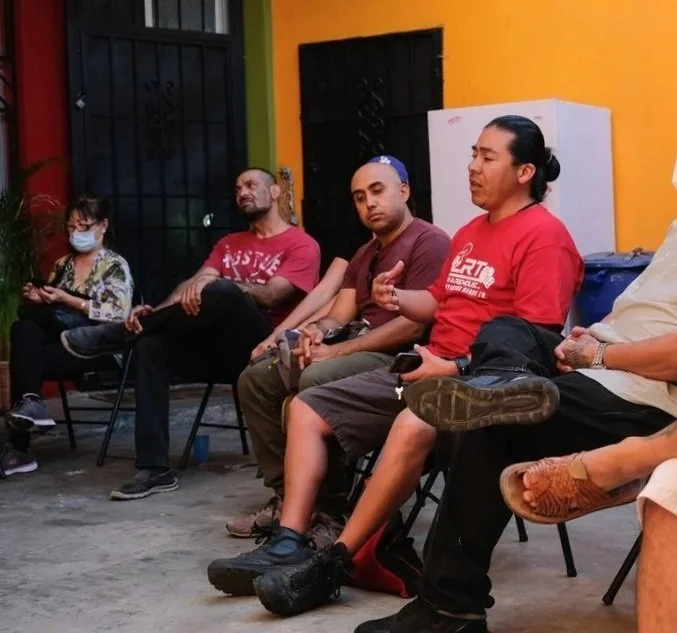
Al Otro Lado’s Binational Deportee Program is dedicated to empowering deportees and returnees, building community and educating individuals on their rights. We focus on providing social services, know your rights workshops, creative workshops and legal clinics. We also aim to destigmatize deportation and create spaces where deportees, returnees and their families can share their stories and transform their despair into empowerment.
We partner with multiple deportee serving organizations with the aim to assist and empower deportees all around Mexico.
Deportees and Returnees, please help us understand your needs by completing this survey.*
*This survey serves as a tool for us to understand what social services the community needs, and it allows us to screen individuals for legal opportunities.

LGBTQI+ Migrant Support Program
LGBTQI+ migrants face unique and compounded barriers to safety, healthcare, and legal protection. At Al Otro Lado, our LGBTQI+ Program ensures that individuals seeking refuge in the United States or Mexico can access affirming, client-centered legal and humanitarian support designed to meet their needs with dignity and respect.
Who We Support
We center our work on LGBTQI+ migrants who:
LGBTQ+ immigrants who are pursuing asylum or other protection pathways
Deportees in México who identify as LGBTQ+
Individuals who are medically vulnerable, including people living with HIV and those facing barriers to healthcare, housing, and legal services
What We Offer
Legal Support
We guide clients step-by-step through complex migration systems, including:
Screening for asylum and other immigration relief
Referrals for legal representation after entry into the U.S.
Direct legal representation for LGBTQ+ immigrants detained and/or residing in California
Assistance with evidence collection and documentation
Our legal work is grounded in advocacy and a deep understanding of how identity-based persecution affects asylum claims and other forms of immigration relief.
Humanitarian & Social Services
We recognize that legal processes are intertwined with health and stability, and provide:
Emergency aid, including food, clothing, and hygiene supplies
Referrals to LGBTQI+-affirming housing and shelters
Accompaniment to medical and mental health appointments
Assistance accessing essential medications, including uninterrupted HIV treatment
Help connecting with public benefits and community resources
Protection & Advocacy
We address discrimination and rights violations by:
Accompanying clients and advocating on their behalf in legal, medical, and social service settings
Supporting individuals who experience mistreatment or exclusion
Building capacity among partner organizations to provide culturally competent, LGBTQI+-affirming care
Know-Your-Rights Sessions
We empower LGBTQI+ migrants with practical knowledge to navigate legal and social systems, including:
Understanding the asylum process and preparing for interviews or court dates
Accessing healthcare and essential services
Learning to assert rights in systems that can be hostile or exclusionary
Partnerships
We collaborate with LGBTQI+ organizations, service providers, and community groups to strengthen supports, promote inclusion, and expand access to affirming services for LGBTQI+ migrants.
Why This Work Is Critical
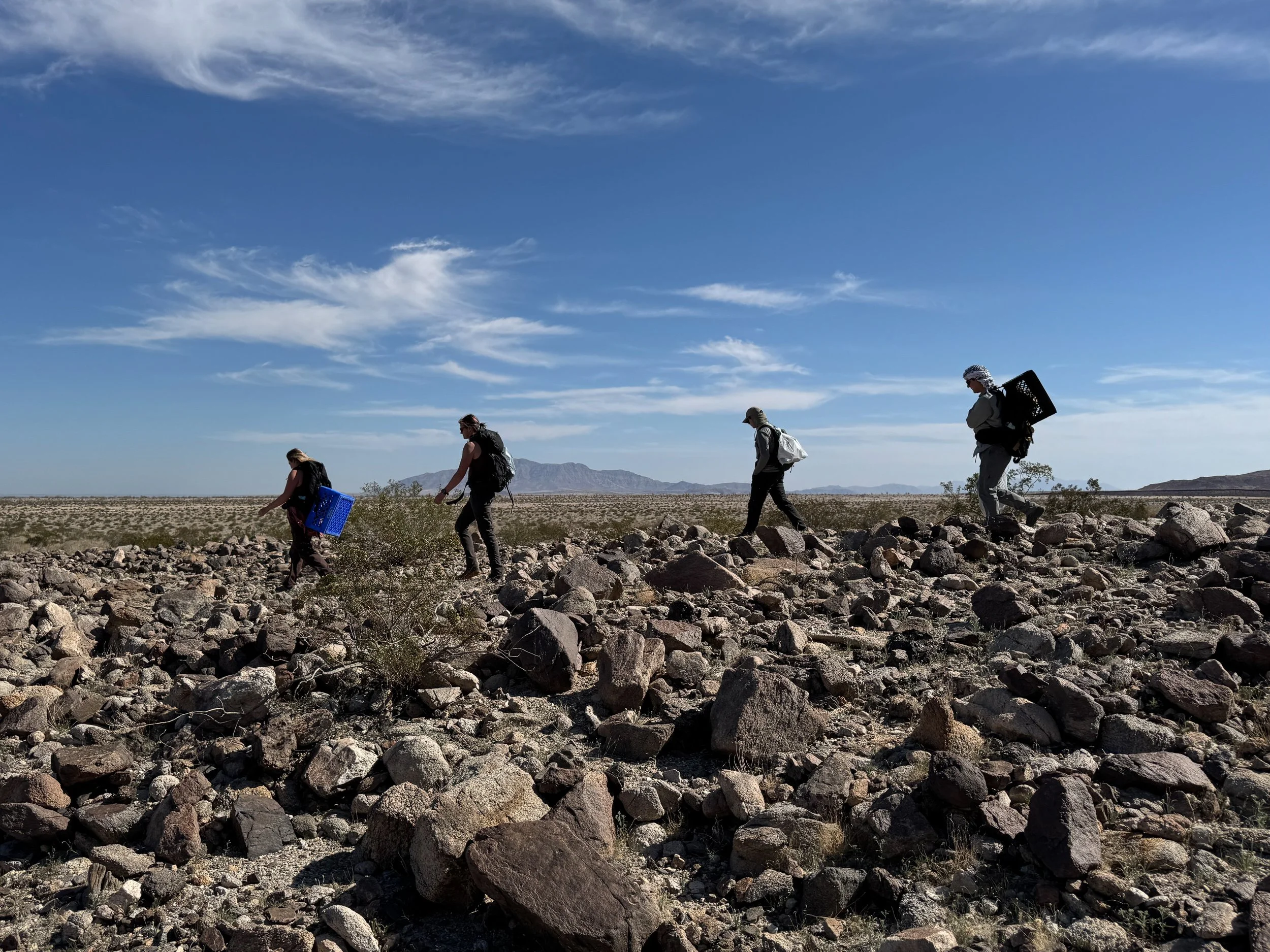
The mountain and desert regions along the USA/Mexico border present extreme environmental conditions, including high temperatures in the summer, low temperatures in the winter, geographic isolation, and limited access to water. These conditions create life-threatening risks for individuals walking through remote areas.
The Water Drop Program works to prevent death and injury through direct, field-based humanitarian response.
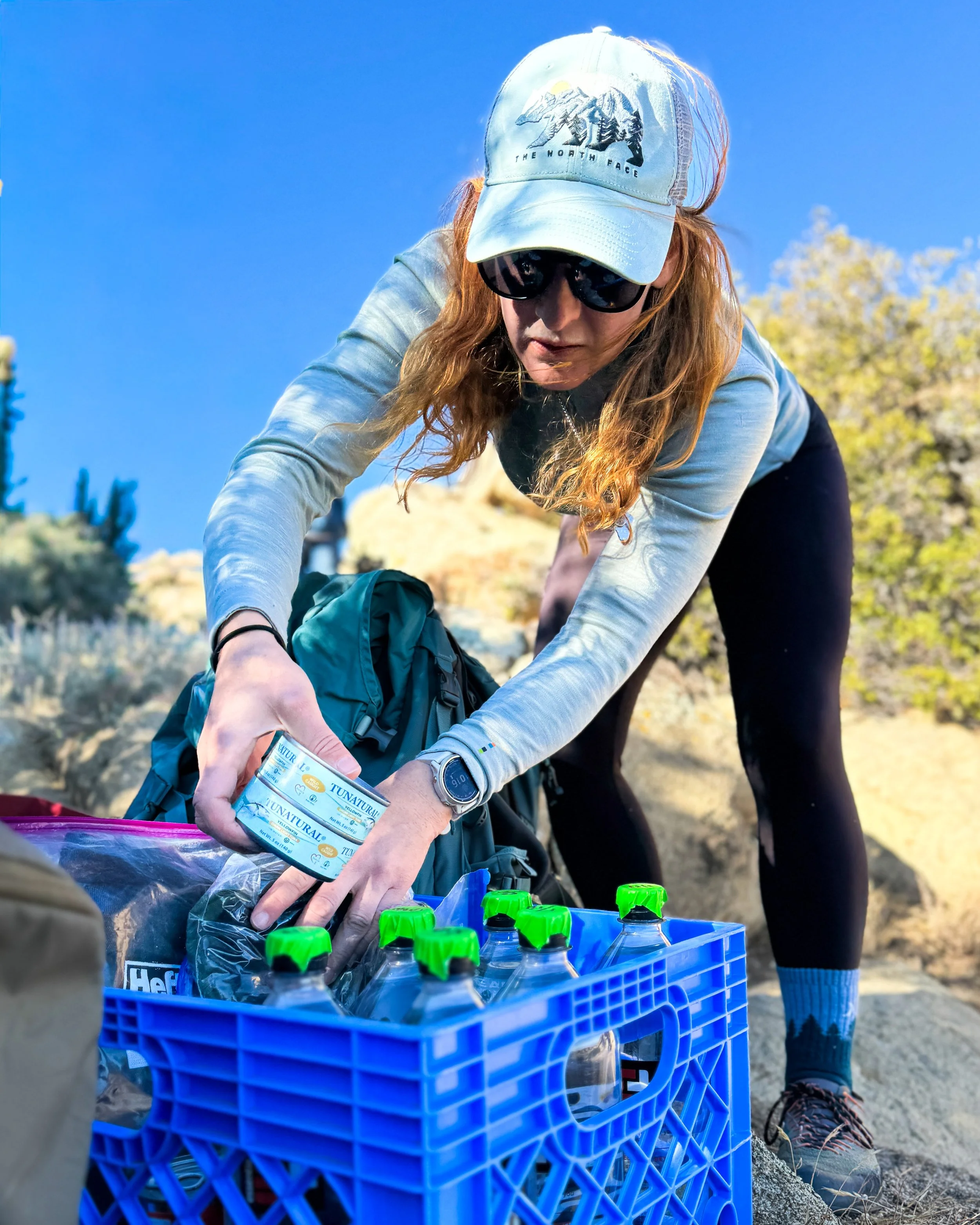
Water Drop Program
Southern California Desert Region
Overview: The Water Drop Program is a humanitarian initiative operating in the Southern California desert border region. The program distributes water and essential supplies along known migrant routes to reduce preventable deaths and serious injury.
What the Program Does
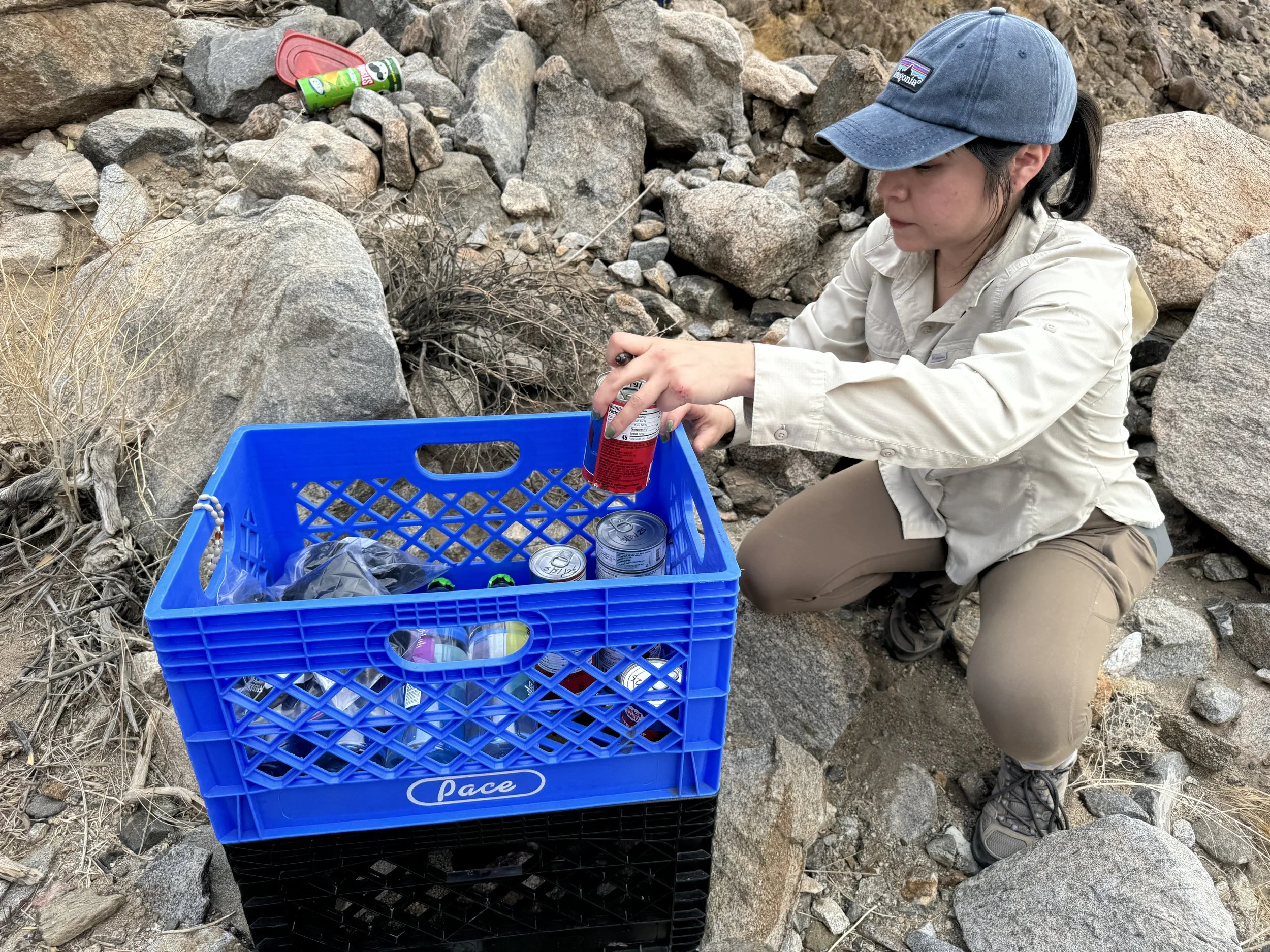
Distributes potable water and food in high-risk desert pathways
Provides life-saving supplies along known migration routes
Responds to urgent humanitarian conditions in remote desert areas
Integrates humanitarian response with legal advocacy efforts
Program Approach
The Water Drop Program pairs immediate humanitarian relief with long-term advocacy. It reflects AOL’s support in responding to urgent harm while working toward structural change.
Annual impact metrics: In 2025, our Water Drop totals were 2586 bottles of water and electrolyte drinks (equivalent to 867 gallons, 110,903 ounces of liquid, 2157 food cans, 900 pairs of socks, 385 beanies, 385 pairs of winter gloves, 421 jackets, 164 baseball caps, 164 bandanas and 3 pairs of hiking boots. We also removed 1,526 pounds (over 3/4 ton) of waste/trash from the California border.
Clarification on whether volunteers or staff conduct drops? Both, although mostly I’m the only staff that goes. Just about all are volunteers
Any partnerships or safety protocols appropriate for the public should know about? Myself and other volunteers are Wilderness First Aid trained and certified, and we also have volunteers that are Wilderness First Responders. No real partnerships, just have worked along other humanitarian aid groups and well as Search and Rescue groups in California and Arizona over the last 10 years.
.
Tijuana Humanitarian Aid Program
Through the Tijuana Humanitarian Aid program, we seek to alleviate the suffering of all migrants without distinction; we provide support to resolve their basic needs and to care for special cases that, due to their nature, require extraordinary help.
The program provide care according to specific needs of each individual, including: referrals to shelters, emergency accommodation, food security, support and management for medical care, provision of medications, referral of mental health services as well as provision of clothing, footwear and hygiene items; Additionally, the special needs of pregnant women or women with small children are monitored, and essential help is provided, such as delivery of diapers and baby formula.
The migrant community can access these goods and services when they attend the asylum legal orientation clinics that are organized in our offices or in the various shelters on a weekly basis.